Dawn Chaser Boat Back in the Water: Ready to Sail
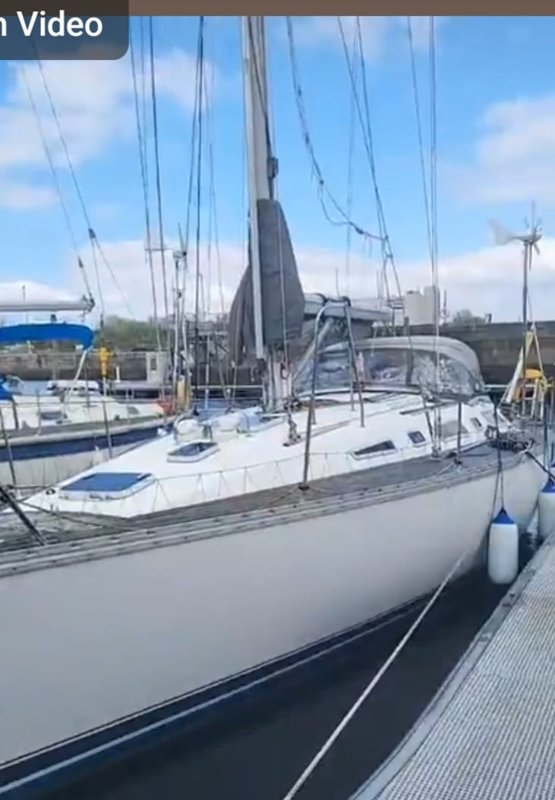
My beloved boat, Dawn Chaser, is finally back in the water after maintenance. Excited to share this sailing milestone with you!
There's nothing quite like the moment when your beloved boat slides back into the water after a period of maintenance and preparation. Whether your vessel has been in dry dock for seasonal maintenance, extensive repairs, or winter storage, launching back into the water marks an exciting milestone for any boat owner. If you're currently preparing your boat for this important moment—or you've just completed it—this guide will help ensure that your boat is ready for safe and reliable performance on the water.
The Importance of Proper Pre-Launch Inspection
Before your boat touches the water, conducting a thorough pre-launch inspection is absolutely critical. This isn't just about checking a few boxes; it's about ensuring the safety and longevity of your vessel. A comprehensive inspection protects your investment and, more importantly, keeps you and your passengers safe.
During time out of the water, several issues can develop that aren't immediately obvious. Seals may have dried out, connectors could have corroded, and systems might need recalibration. Your maintenance records become invaluable during this process, allowing you to track what work was completed and what still needs attention.
Essential Systems to Verify
- Hull Inspection: Look for cracks, blisters, or areas where the gelcoat may have deteriorated during storage
- Through-Hull Fittings: Ensure all seacocks and through-hull fittings are clear and functioning properly
- Engine Systems: Check coolant levels, oil condition, and verify that fuel lines are intact and free from contamination
- Electrical Systems: Test all lights, navigation equipment, and battery connections
- Plumbing and Water Systems: Flush freshwater systems and check for leaks in both supply and waste lines
- Safety Equipment: Verify life jackets, fire extinguishers, and flares are all in proper condition and within expiration dates
Using Maintenance Records for a Smoother Launch
This is where organized boat maintenance documentation proves invaluable. If you've been diligent about recording all maintenance work, inspections, and repairs during your boat's time out of the water, you'll have a clear roadmap of what's been completed and what might still require attention.
How to Leverage Your Maintenance Records
- Create a Pre-Launch Checklist: Review your maintenance log and cross-reference completed work with original concerns or scheduled maintenance items
- Identify Warranty Items: Note any recent repairs or replacements that might still be under warranty
- Track System Ages: Use your records to determine when major systems were last serviced and whether they're due for attention
- Document Seasonal Work: Reference what winterization or seasonal preparation was completed to ensure proper de-winterization procedures
- Schedule Follow-Up Services: Identify any maintenance that was deferred and plan accordingly
Boat owners who maintain detailed records through a dedicated boat management platform significantly reduce the risk of overlooking critical maintenance items before launch. This documentation also becomes valuable if you're working with a marina or maintenance facility—they can see exactly what's been done and what remains.
The First Water Test: What to Expect and Monitor
The moment your boat first touches the water again is thrilling, but it's not time to head straight out for a pleasure cruise. The initial water test should be methodical and focused on identifying any issues before you venture far from the dock.
Step-by-Step First Launch Protocol
- Start Your Engine at the Dock: Listen for unusual sounds and monitor your gauges for proper readings. Allow the engine to warm up gradually
- Check for Leaks: While the engine is running, carefully inspect all visible connections for weeping or active leaks
- Test Navigation Systems: Verify that your GPS, radio, and other electronics are functioning and calibrated
- Perform a Short Trial Run: Take your boat out for a brief run in calm, shallow water where you can safely assess performance
- Monitor Engine Temperature: Watch engine temperature gauges closely during this initial run to ensure proper cooling system function
- Test Steering and Controls: Confirm that steering is responsive and all control systems operate smoothly
- Check Fuel Consumption: Note fuel usage to establish a baseline and detect any efficiency problems
Throughout this entire process, document everything in your maintenance records. Note the date, time, duration of the test run, fuel consumption, engine temperature readings, and any observations or concerns. This baseline data becomes important reference material for future troubleshooting.
Common Issues to Watch For
- Water in the bilge (beyond normal condensation)
- Engine overheating or temperature fluctuations
- Unusual vibrations or sounds from the engine
- Sluggish or unresponsive steering
- Navigation equipment displaying incorrect coordinates or information
- Electrical systems flickering or failing intermittently
Post-Launch Fine-Tuning and Adjustments
If your initial water test was successful, you're not quite finished yet. Several adjustments and fine-tuning procedures should be performed after your boat's return to the water.
Critical Post-Launch Tasks
- Recalibrate Fuel Gauges: Many fuel gauge systems need recalibration after the boat has been out of the water
- Bleed Air from Fuel Lines: If your fuel system was drained during storage, air pockets may need to be purged
- Top Off All Fluids: Engine oil, coolant, hydraulic fluids, and transmission fluid should all be checked and topped off as needed
- Lubricate Moving Parts: Apply appropriate lubricants to steering systems, winches, and other moving components
- Test All Safety Systems: Run through fire suppression systems, bilge pumps, and backup systems to confirm functionality
- Conduct a Second Extended Test: After initial adjustments, take your boat out for a longer run to build confidence in system performance
Make certain to update your boat maintenance log with all post-launch adjustments and findings. This creates a complete record of your boat's condition upon returning to service and provides a valuable reference point for detecting future issues.
Establishing a Maintenance Routine Going Forward
Now that your boat is back in the water, maintaining consistent maintenance practices will help prevent major problems and keep your vessel in peak condition.
Establish a routine schedule that includes regular inspections, fluid changes, filter replacements, and system checks appropriate to your boat's use and manufacturer recommendations. Use your maintenance management system to set reminders for upcoming service intervals, track expenses, and maintain a comprehensive service history.
The discipline of regular maintenance and meticulous record-keeping might seem like extra work, but it pays dividends in vessel reliability, resale value, and peace of mind when you're out on the water.
Conclusion: Safe Sailing Ahead
Getting your boat back in the water after a period of storage or maintenance is an important milestone that deserves careful attention to detail. By conducting thorough pre-launch inspections, leveraging your maintenance records, performing methodical water tests, and completing proper post-launch adjustments, you'll ensure that your vessel is safe, reliable, and ready for enjoyable time on the water.
The investment you